
Stress management for sensitive skin is something I learned the hard way. When life gets stressful, my skin becomes a messenger—red, irritable, flaky, and impossible to control. Honestly, managing stress was never my strength, especially during those tough years working in an office.
Back then, the more stressed I felt, the more I craved junk food. Chips and chocolate became my comfort zone, but over time, I realized these addictive foods were toxic for my skin, triggering more flare-ups. Even with regular Chinese herbal tea, nothing seemed to make a difference when stress was running high.
After losing my job, my health took a hit. I felt weak, lost my appetite, and despite quitting sugar, milk, and following a strict allergy-friendly diet, my skin barely improved. It was only 1.5 years later that my flaky skin finally came under control, but not in the way I expected.
What really changed was my mindset. I learned that you need to relax and let things go, even when insecurity feels suffocating. The current economy is tough, and sometimes I question my worth—worrying I’m a burden to my husband or failing somehow. But I’ve learned that those negative thoughts only make healing harder. Being too strict with your diet or routines isn’t always practical, and giving up all the foods you love isn’t sustainable. Stress management for sensitive skin means choosing balance, not perfection.
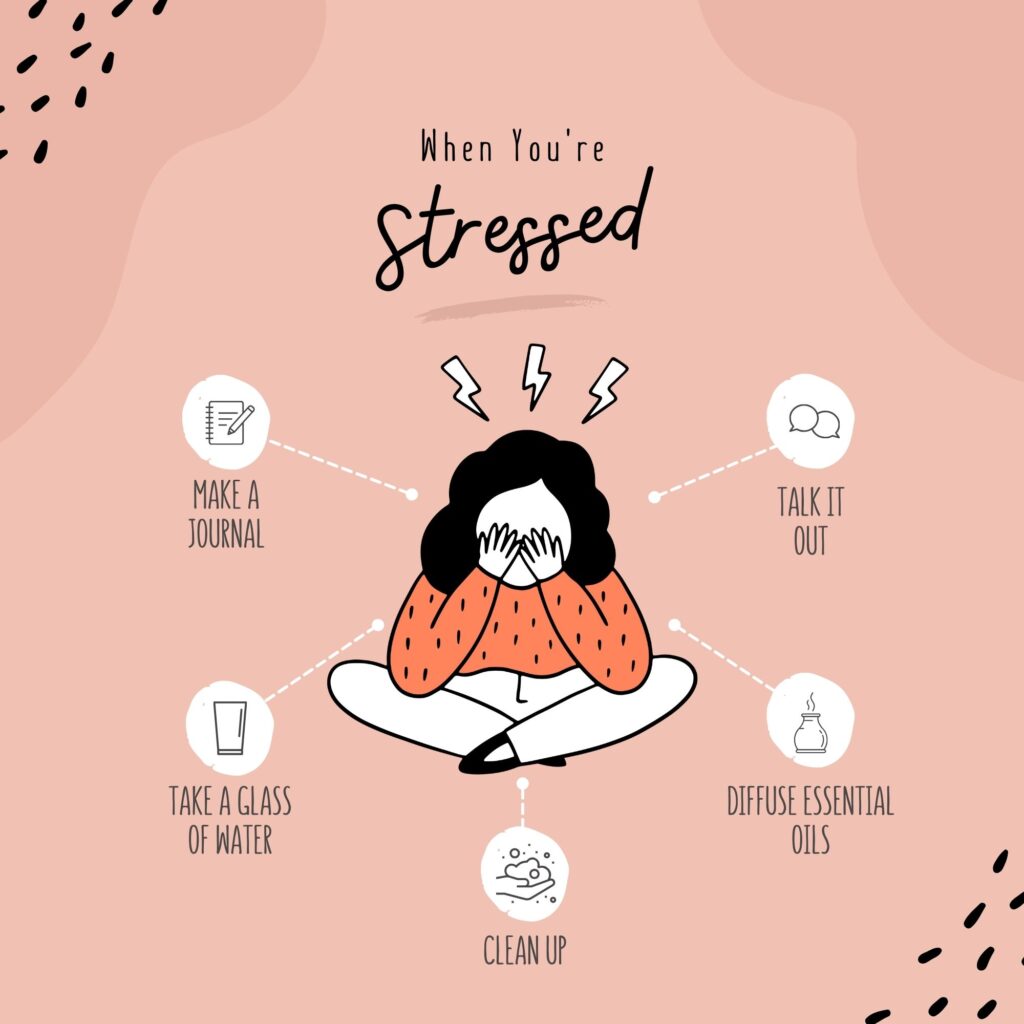
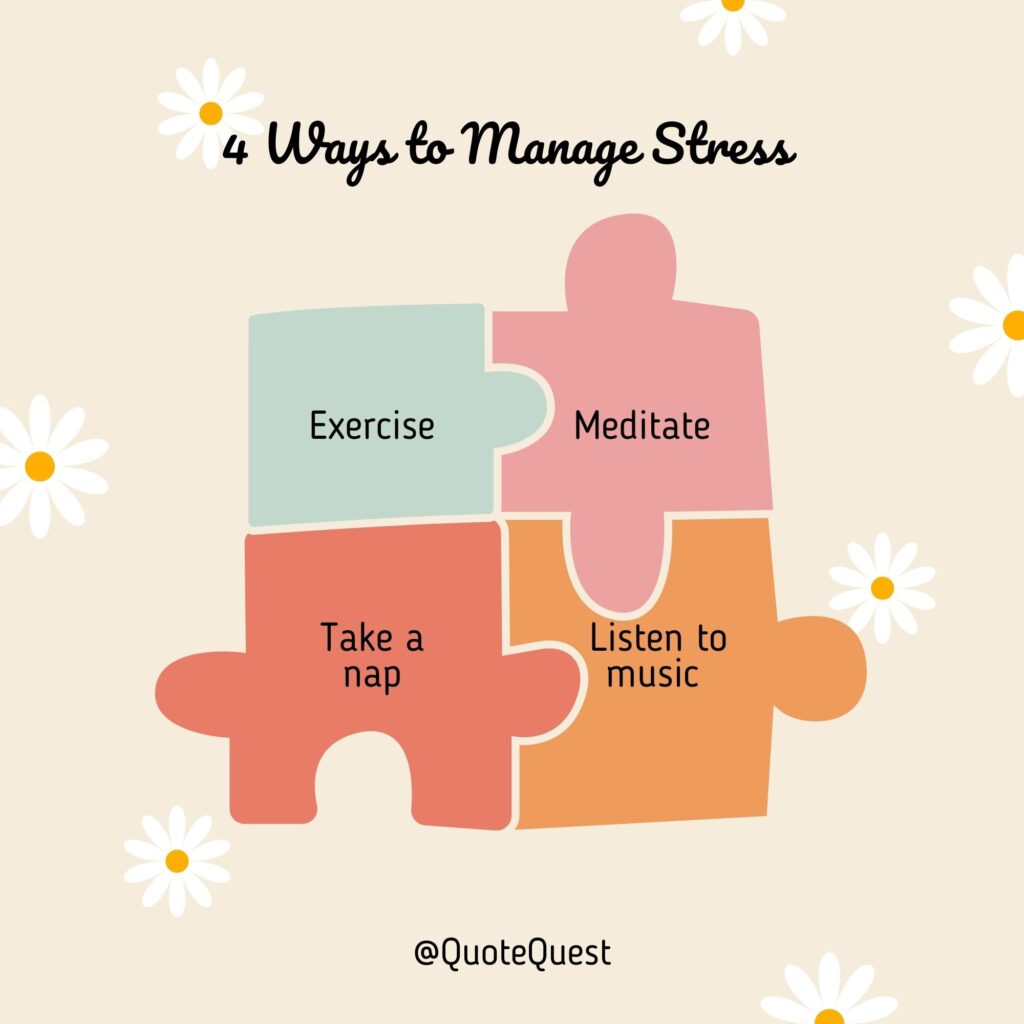
Earlier, I used to obsessively track my recovery—counting days, recording every calorie, downloading apps to log my diet and supplement intake. I believed that more data meant more healing. But all these little actions inadvertently added more stress, tucked away in the subconscious.
I tried to study everything—how supplements work, which remedies are best—and kept asking AI and Google for solutions to every new challenge. Eventually, research fatigue set in, and I realized I was only adding pressure without finding peace.
The turning point came with my metabolism test. I stopped researching, stopped micromanaging, and simply took my supplements regularly. I let go of the mental burden and allowed my body time to heal. Slow jogging became my gentle go-to—sometimes regular, sometimes just when I remembered. Movement, even imperfect, made a difference. Over time, my mood improved, my appetite returned, and my skin stopped flaking as much.
Letting go was the true healing. Stress management for sensitive skin isn’t just a checklist—it’s about forgiveness, slowing down, and giving yourself grace. Working slowly, breathing deeply when tired, and not forcing constant productivity are the real steps forward.
It’s OK to be slow. We’re not robots; we’re human. Treat yourself kindly. Don’t be too harsh or expect instant results. Stress may always be part of life, but how you respond is what brings calm, relief, and lasting skin healing.
If you’re struggling, know that you aren’t alone. Share your story, take your time, and trust that small steps count. Stress management for sensitive skin is a lifelong journey—start wherever you are.