
Emotional healing and skin—the two are linked in ways I never understood when I first developed eczema. The very word “eczema” comes from ancient languages meaning “crying skin.” It’s a name that captures exactly how you feel physically and emotionally: red face, restless nights, relentless itching, and a heavy heart.
For me, it wasn’t just a skin problem. The real pain was internal—the stress, insecurity, worry, heartbreak—all the mixed feelings I never truly addressed. It turns out that emotional healing and skin recovery aren’t separate journeys. They’re the same road.
Most days, I felt burned out and overwhelmed. Why did I feel so stressed? Looking back, it stemmed from constantly chasing accomplishment and using success as my only measure of self-worth. Whenever I felt sadness or worry, I pushed it down, working harder just to ignore it.
My family, friends, and parents love me deeply, but I used to hide my real struggles from them. I didn’t want to make anyone worry. But emotional suppression led only to suffering—like bottled-up tears that eventually appeared on my face as eczema.
Sometimes, walking down the street, I’d see someone struggling and feel immense empathy, wishing for Allah’s healing for them. That same hope for others, I realized, was something I needed for myself.
That’s why I’m writing this post—to share the psychology and self-care practices that helped me heal both emotionally and physically. If you’re suffering, maybe something here will help you too.
Key Psychology Lessons for Emotional Healing and Skin Health
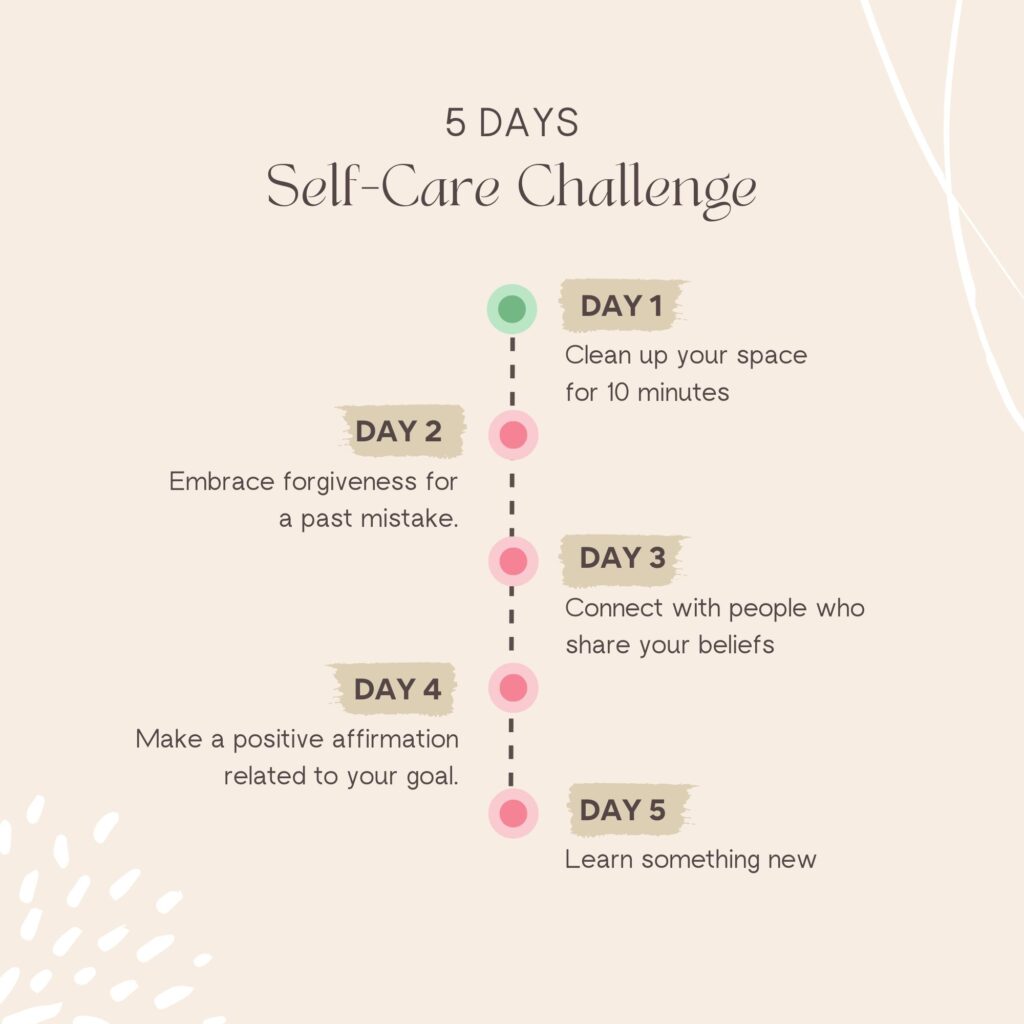
- Give yourself permission to be kind: I learned to “cheat” my own mind by whispering daily affirmations—“You are amazing. You are beautiful. You are worthy of love.” Simply repeating these words started to create small shifts in my mood and my skin.
- Focus on progress, not perfection: Instead of fixating on big achievements, I started praying for progress. I visualized small improvements, day by day, and filled my thoughts with positive vibes. I discovered that inputting these good feelings made a real difference.
- Let go and slow down: Sometimes, letting go of rigid goals and giving yourself space is the greatest wisdom. You don’t have to accomplish everything at once. Being “lazy” on tough days isn’t weakness—it’s smart self-preservation. Slowing down gave me time to see new productive paths I’d never considered before.
- Rest and self-compassion: I began to whisper to my own body and cells—“You are enough. You don’t need to overact. REST.” It was healing, mentally and physically.
- Believe in better: Every day, I remind myself that I am a better version of myself than I was yesterday. Self-belief is the foundation for healing.
What I Learned
Emotional healing and skin health require honesty. When you carry stress, sadness, or unmet needs, your body feels it—even your skin feels it. Learn to listen, be gentle, and allow rest. Heal from the inside as much as you try to heal on the outside.
This story and its lessons are my honest truth. If you’re struggling, you’re not alone—share your journey with someone, and don’t be afraid to ask for help. Every small step is progress, and you deserve healing—for your skin, your heart, and your future.
References for further exploration:
- National Eczema Society – Eczema and Emotional Wellbeing
- Healthline – Stress and Skin
- Psychology Today – Self-Compassion and Healing
Disclaimer: I am not a doctor or a medical professional. I am a graphic designer who has lived with eczema for over 40 years. The stories, rituals, and calm tools shared on QuoteQuest365 are based purely on my personal healing journey and emotional wellness practices. Please always consult with a dermatologist or medical professional for clinical treatments.
Want to grab free 7 days self worth card?
Sign up below to claim your copy and receive exclusive updates from our shop!
